
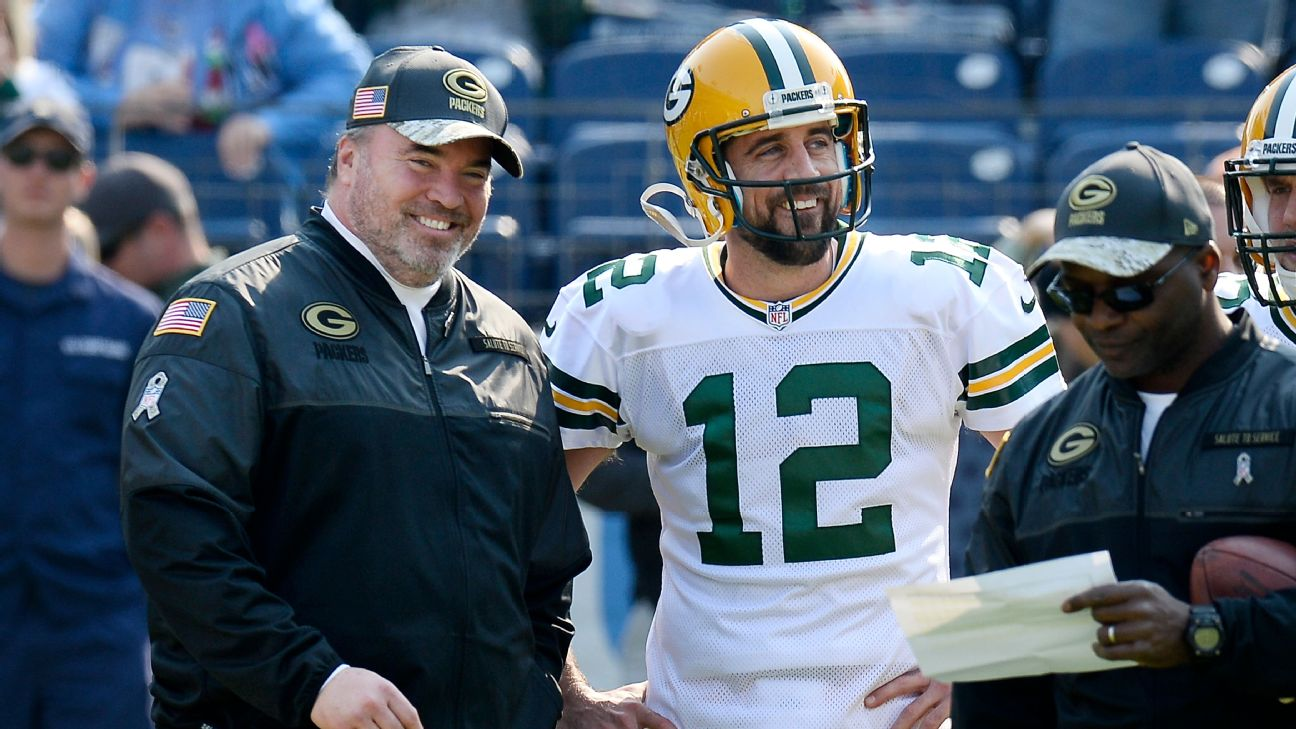
Steelers training camp will bring the usual focus on Aaron Rodgers and Mike McCarthy, but the most important roster movement may happen in the middle and bottom of the depth chart.
Those battles decide game-day flexibility. They determine how many quarterbacks Pittsburgh can keep, whether the offense has enough receivers, how the defensive backfield is arranged and which specialists can be trusted when the weather turns.
Backup quarterback hierarchy
Rodgers is the starter, but Mason Rudolph, Will Howard and Drew Allar create a fascinating depth conversation. Rudolph offers experience. Howard needs a clean second-year evaluation. Allar carries the highest long-term investment.
The Steelers could keep four quarterbacks initially if they fear losing a developmental passer or want more time to explore trade possibilities. That decision would affect every other position count.
The third receiver job
DK Metcalf and Michael Pittman Jr. sit at the top of the receiver room, but Germie Bernard, Roman Wilson, Kaden Wetjen and Ben Skowronek are fighting for different kinds of roles.
Bernard and Wilson are the most interesting offensive options. Wetjen’s return value and Skowronek’s special teams work could make the final roster math harder than a simple receiving ranking.
Offensive tackle and swing depth
Troy Fautanu and Max Iheanachor are central to the future, but Broderick Jones, Dylan Cook and other depth linemen can still change the picture. The Steelers need a swing tackle they trust before Week 1.
This battle matters because Pittsburgh cannot build a Rodgers offense around constant chip help. The backup tackle plan has to be strong enough to survive injuries without shrinking the playbook.
Defensive back roles
Joey Porter Jr., Jalen Ramsey, Jamel Dean and Asante Samuel Jr. give Pittsburgh talent, but camp will clarify where everyone fits. Slot responsibilities, safety support and dime packages still need definition.
Depth players such as Daylen Everette and D’Shawn Jamison can force the issue with special teams and preseason coverage reps. The final defensive back spots may come down to versatility.
Punter and return game
Chris Boswell is secure, but the punter competition and return roles deserve attention. Field position still matters at Acrisure Stadium, especially in weather games where one hidden-yardage swing can decide a quarter.
Training camp will not answer every question, but it will show which players the new staff trusts. For a Steelers team trying to win now while developing its next core, those trust decisions are everything.
The larger point is that Pittsburgh’s 2026 roster cannot be evaluated through one headline or one familiar name. The Steelers are balancing a veteran quarterback window, a new coaching structure, young draft investments and several position battles that will not be settled until pads come on. That is why training camp, preseason usage and early regular-season roles will matter as much as the offseason depth chart.
For Steelers fans, the useful question is not whether the June version of the roster looks interesting. It is whether the most important pieces can translate that interest into repeatable Sunday answers: cleaner protection, better spacing, more defensive disruption and enough young development to keep the franchise from facing the same questions again next spring. That standard is simple, but it is demanding.
Roster context is current as of June 18, 2026. Follow more Steelers analysis in the Steelers Realm articles section.