
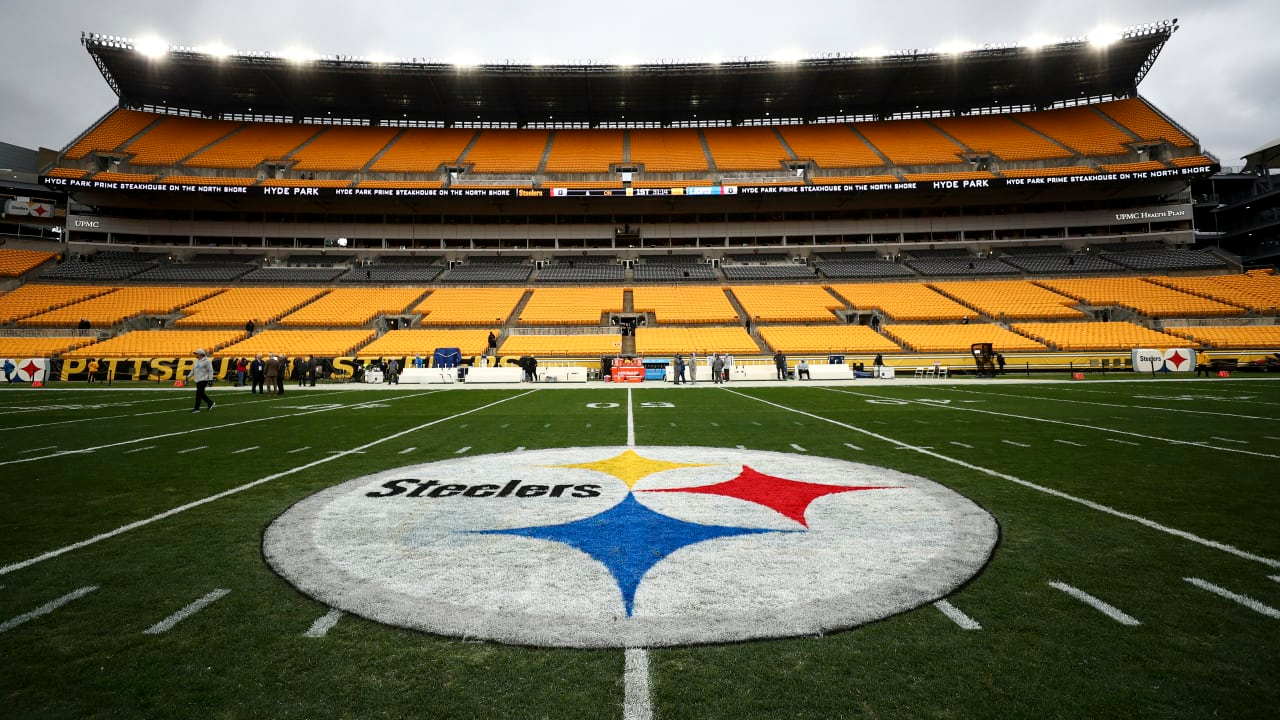
Acrisure Stadium is more than the address where the Pittsburgh Steelers play eight or nine regular-season home games. It is the modern stage for the franchise’s post-Three Rivers era, the place where a generation of fans learned the rhythms of cold-weather football on the North Shore.
The building opened in 2001 as Heinz Field, replacing Three Rivers Stadium and giving the Steelers a football-first home beside PNC Park. The name changed to Acrisure Stadium in 2022, but the fan memory bank did not reset. Terrible Towels, late-season wind, river views and the open south end still define the place.
From Three Rivers to the North Shore
The move from Three Rivers Stadium mattered because the Steelers were leaving a shared multipurpose venue for a building designed around football sightlines and Pittsburgh identity. Three Rivers produced plenty of history, but the new stadium gave the franchise a sharper home-field personality.
That personality begins with location. Acrisure Stadium sits on the North Shore with downtown Pittsburgh visible across the water. The setting makes game day feel connected to the city rather than separated from it, which is part of why the stadium remains a search topic even for fans who still casually call it Heinz Field.
The Heinz Field name still lives in fan memory
The original name became part of Steelers language because it matched the region’s identity so cleanly. Heinz was a Pittsburgh brand, and the oversized ketchup bottles above the scoreboard became a strange but beloved piece of stadium theater.
When Acrisure took over the naming rights, the reaction showed how emotionally attached fans had become to the old name. That resistance was not only about branding. It was about two decades of playoff games, division battles, tailgates and family traditions being filed under one familiar phrase.
Why the stadium plays differently
Acrisure Stadium has never been a sterile dome where conditions disappear. Wind can influence late-game kicking decisions. Grass and weather can make December football feel heavy. The open end gives the building a visual signature and creates the kind of environment that rewards teams built for physical games.
That is why the stadium often feels tied to Steelers roster building. When Pittsburgh invests in offensive line, defense and the running game, it is easy to connect those choices to the home environment. The building seems to ask the team to win with toughness even as the modern NFL keeps pushing toward speed and spacing.
Acrisure Stadium is entering a new Steelers chapter
The current Steelers are trying to write a fresh chapter with Aaron Rodgers, Mike McCarthy and a reworked roster. That makes the stadium more interesting, not less. A veteran quarterback chasing one final run, a new coaching era and a fan base hungry for playoff success can turn ordinary home games into measuring-stick moments.
The name on the outside may be newer than the memories inside. Acrisure Stadium’s real history is the way Pittsburgh keeps turning the building into a referendum on the Steelers themselves. When the team is good, the place feels like a problem for opponents. When the team is searching, the stadium becomes a reminder of the standard.
The Steelers’ home still matters
Acrisure Stadium will always carry some Heinz Field nostalgia, and that is fine. The more important point is that the building still gives the Steelers a recognizable home-field identity in a league where many stadiums can feel interchangeable.
For fans searching the stadium’s history, the answer is not just dates and naming rights. It is the story of how Pittsburgh moved into a modern building without losing the cold, loud, stubborn personality that makes Steelers football feel like Steelers football.
The larger point is that Pittsburgh’s 2026 roster cannot be evaluated through one headline or one familiar name. The Steelers are balancing a veteran quarterback window, a new coaching structure, young draft investments and several position battles that will not be settled until pads come on. That is why training camp, preseason usage and early regular-season roles will matter as much as the offseason depth chart.
For Steelers fans, the useful question is not whether the June version of the roster looks interesting. It is whether the most important pieces can translate that interest into repeatable Sunday answers: cleaner protection, better spacing, more defensive disruption and enough young development to keep the franchise from facing the same questions again next spring. That standard is simple, but it is demanding.
Roster context is current as of June 18, 2026. Follow more Steelers analysis in the Steelers Realm articles section.